Best age to retire is one of the most important financial decisions you will ever make, as it directly impacts your lifestyle, savings, and long-term financial security. There is no single answer that works for everyone because retirement timing depends on your income, expenses, health, and personal goals.
Some people aim for early retirement in their 40s, while others prefer waiting until full retirement age or even beyond to maximize benefits. The key is not just choosing an age—it’s understanding when you are financially ready.
In this guide, you will learn how to determine your ideal retirement timeline, what factors influence your decision, and how modern financial calculators can help you retire with confidence.
What Is the Best Age to Retire?
The best age to retire is the point when your savings and investments can fully support your lifestyle without relying on active income.
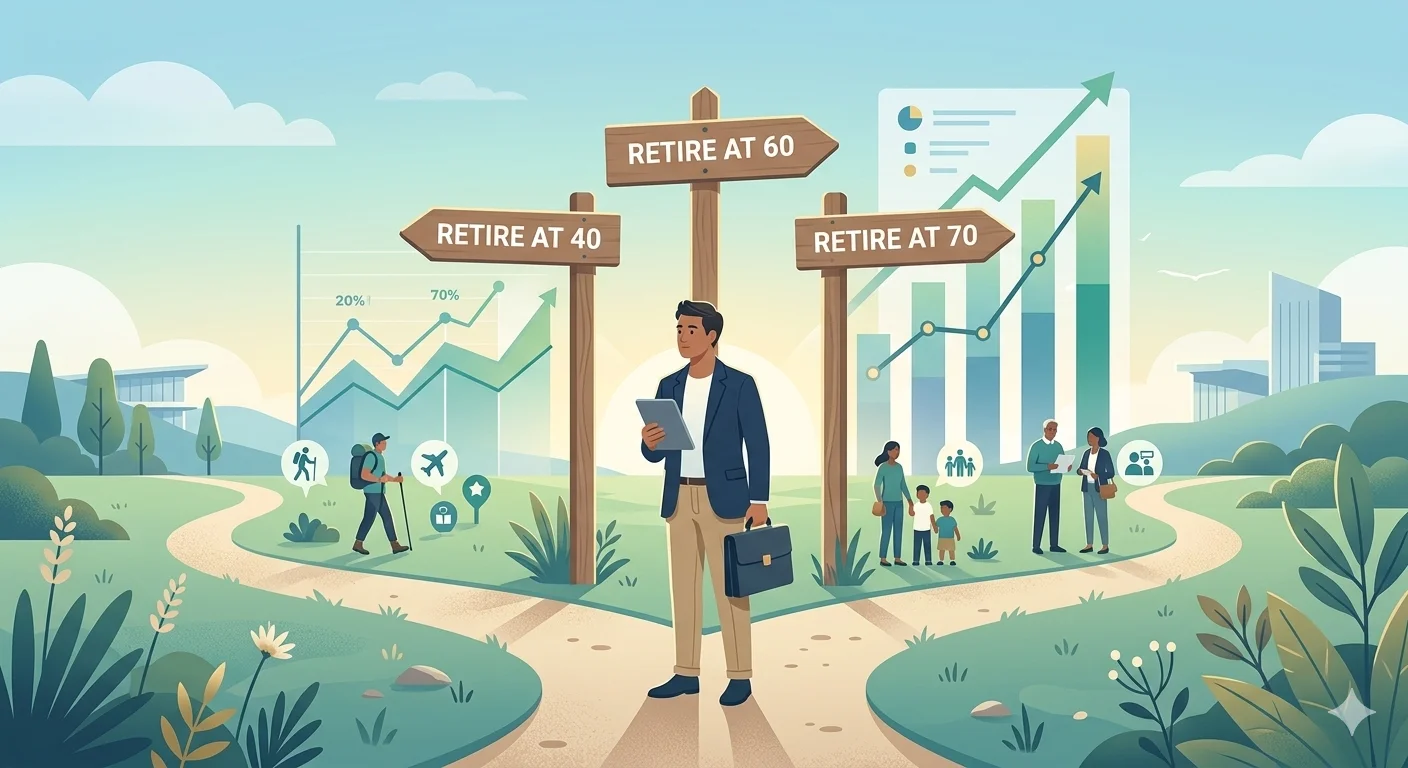
Most retirement timelines fall into three categories:
- Early retirement (40–55): Requires aggressive saving and investing
- Traditional retirement (60–67): Aligns with standard retirement benefits
- Delayed retirement (68–70+): Maximizes financial security and income
The right choice depends on your financial independence—not just your age.
Retirement Age Comparison Table
| Retirement Age | Pros | Cons | Ideal For |
| 40–50 | Maximum freedom, more life flexibility | Requires very high savings rate | FIRE followers |
| 55–60 | Balanced lifestyle | Reduced long-term benefits | Early planners |
| 62 | Early access to benefits | Lower monthly income | Moderate savers |
| 67 | Full retirement benefits | Longer working years | Traditional planners |
| 70+ | Maximum payouts | Less retirement time | Late retirees |
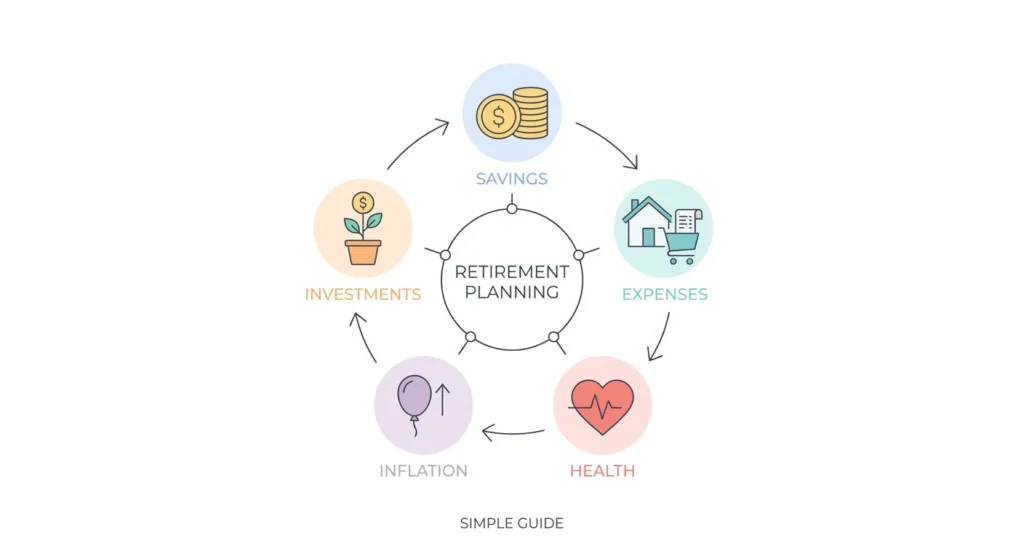
Factors That Determine the Best Age to Retire
1. Financial Readiness
Your savings, investments, and assets must be strong enough to support decades of expenses.
2. Lifestyle Expectations
Higher spending requires a larger portfolio, which may delay retirement.
3. Health and Life Expectancy
Your physical condition influences both your working ability and retirement enjoyment.
4. Debt and Expenses
Mortgages, loans, and daily costs directly impact your timeline.
5. Inflation
Rising costs increase the amount you need for long-term stability.
What Is a Good Age to Retire?
A good retirement age varies by individual, but common benchmarks include:
- 62: Earliest benefit access (reduced income)
- 65: Healthcare eligibility milestone
- 67: Full retirement benefits
- 70: Maximum income potential
Ultimately, a good age to retire is when your income sources can fully cover your expenses.
Perfect Age to Retire Based on Your Goals
Early Retirement (40–50)
- Requires saving 40–60% of income
- Focus on aggressive investing
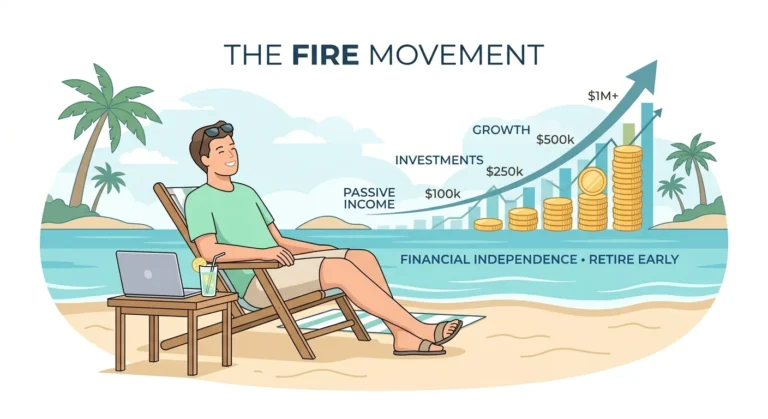
- Ideal for FIRE strategies
Mid Retirement (55–65)
- Balanced approach
- Lower financial pressure
- More stable transition
Late Retirement (67–70+)
- Maximum financial security
- Higher guaranteed income
- Less risk of running out of money
How Much Money Do You Need to Retire?
A widely used formula:
4% Rule
Retirement Savings = Annual Expenses × 25
Example:
- Expenses: $50,000/year
- Required savings: $1,250,000
For early retirement, a safer withdrawal rate of 3–3.5% is often recommended.
Use FIRE Calculators to Find Your Ideal Retirement Age
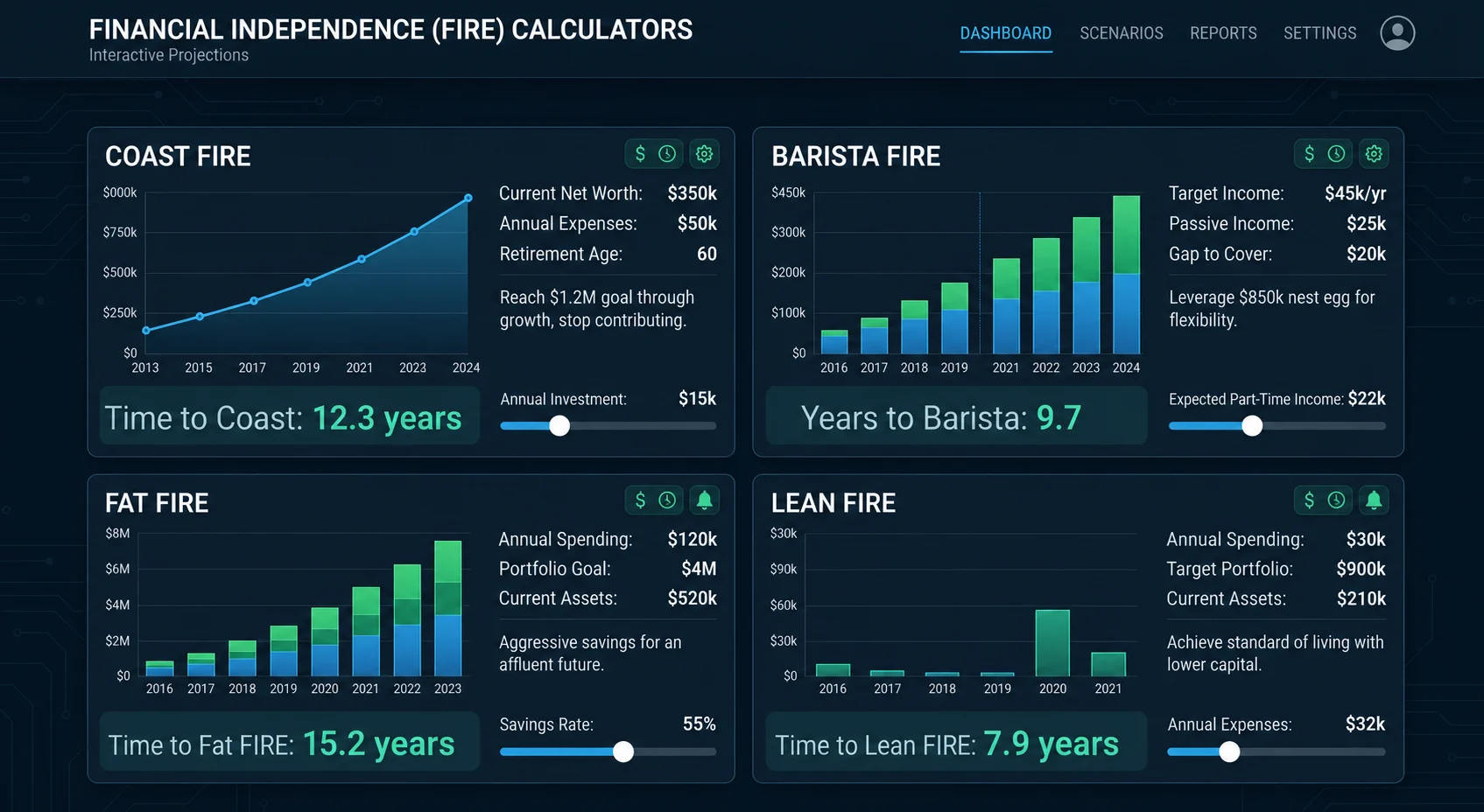
Manual calculations are helpful, but they lack precision. This is where financial calculators become essential for accurate planning and better decision-making.
1. Coast FIRE Calculator
The Coast FIRE Calculator estimates how much you need to invest early so your portfolio can grow on its own over time. It’s ideal for reducing long-term savings pressure and planning a semi-passive path to retirement.
2. Barista FIRE Calculator
The Barista FIRE Calculator helps you determine how much you need if part-time income supports a portion of your expenses. This approach offers flexibility while maintaining financial stability.
3. Fat FIRE Calculator
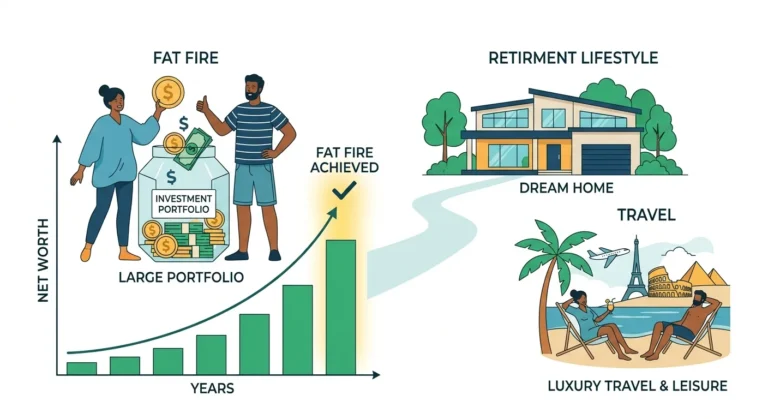
The Fat FIRE Calculator calculates a higher target for those who want a luxury retirement lifestyle with greater spending freedom, travel, and comfort.
4. Lean FIRE Calculator
The Lean FIRE Calculator focuses on minimal expenses and helps you retire faster by optimizing a frugal lifestyle and lower financial requirements.
How to Retire Early (Step-by-Step Plan)
1. Define Your Goal
Decide your retirement age and estimate yearly expenses.
2. Increase Your Savings Rate
Aim for 30–50%+ savings for faster progress.
3. Invest for Growth
Focus on:
- Index funds
- ETFs
- Long-term equities
4. Reduce Expenses
Lower spending reduces your required savings significantly.
5. Build Passive Income
Examples include:
- Rental income
- Dividend stocks
- Digital products
6. Track Progress
Use calculators and financial tools to stay on track.
How Inflation Impacts the Best Age to Retire
One of the most overlooked factors when deciding the best age to retire is inflation. Over time, the cost of living rises, which means the money you save today may not have the same purchasing power in the future.
For example, if your annual expenses are $50,000 today, inflation could increase that to $80,000 or more in the next 20–25 years. This directly impacts how much you need to retire and may delay your ideal retirement age if not planned properly.
Why Inflation Matters in Retirement Planning
- Reduces purchasing power over time
- Increases long-term living expenses
- Affects investment returns in real terms
- Requires higher savings to maintain lifestyle
If you retire early, inflation becomes even more critical because your savings must last longer—sometimes 40–50 years.
How to Protect Against Inflation
- Invest in growth assets like stocks and ETFs
- Increase your savings rate over time
- Adjust your retirement plan regularly
- Use retirement calculators to simulate inflation scenarios
By factoring inflation into your strategy, you can make a more realistic decision about your retirement timing and avoid financial shortfalls later in life.
How Investment Strategy Affects Your Retirement Age
Your investment strategy plays a major role in determining the best age to retire. The way you invest directly impacts how fast your wealth grows and how long it can sustain your lifestyle.
A conservative approach may require you to work longer, while a growth-focused strategy can help you retire earlier—but with higher risk.
Key Investment Factors That Influence Retirement Timing
1. Rate of Return
Higher returns can reduce the number of years needed to reach your retirement goal. Even a small difference (e.g., 6% vs. 8%) can significantly impact your timeline.
2. Asset Allocation
A diversified portfolio with stocks, bonds, and other assets helps balance risk and growth.
3. Consistency of Investing
Regular contributions—monthly or yearly—build wealth faster through compounding.
4. Risk Tolerance
Aggressive investments may accelerate retirement but also increase volatility.
Social Security and Retirement Timing
Your retirement age affects your benefits significantly:
- 62: ~30% lower income
- 67: Full benefits
- 70: Maximum payouts
Delaying retirement can increase your lifetime earnings substantially.
Common Mistakes When Choosing Retirement Age
- Retiring too early without proper planning
- Ignoring inflation
- Overestimating investment returns
- Not using financial tools
- Poor diversification
Avoiding these mistakes improves long-term success.
How to Choose the Right Retirement Age for You
Ask yourself:
- What are my yearly expenses?
- Do I have enough passive income?
- Can my investments sustain withdrawals?
- What lifestyle do I want?
Your answers define your ideal timeline.
Advanced Strategy: Flexible Retirement Planning
Retirement planning is not static. It should adapt to:
- Career changes
- Economic shifts
- Family needs
- Health conditions
Regular updates ensure your plan stays realistic and effective.
Early vs Late Retirement: Which Is Better?
Early Retirement
✔ More freedom
✔ More time for passions
✘ Requires strict discipline
Late Retirement
✔ Higher financial security
✔ Larger savings buffer
✘ Less free time
The better option depends on your priorities and risk tolerance.
Why Financial Calculators Are Essential
Modern tools simplify complex decisions by helping you:
- Estimate retirement timelines
- Adjust for inflation
- Compare strategies
- Track progress
They turn uncertain planning into data-driven decisions.
Best Age to Retire: Plan Your Perfect Timeline
Choosing the best age to retire is one of the most important decisions you will make in your financial journey. The best age to retire depends on your savings, lifestyle goals, and long-term financial security. While some people aim for early retirement in their 40s or 50s, others prefer waiting until their 60s or even later to maximize their benefits and reduce financial risk.
To determine the best age to retire, you need to evaluate your annual expenses, investment growth, and expected income sources such as pensions or Social Security. Planning ahead allows you to build a sustainable strategy that supports your lifestyle without relying on active income. Many individuals now use financial tools and FIRE calculators to estimate timelines and adjust their plans based on real data.
Ultimately, the best age to retire is not defined by a specific number but by your financial readiness and personal goals. By saving consistently, investing wisely, and tracking your progress, you can choose a retirement age that gives you both freedom and peace of mind.
Key Takeaways
- Retirement timing depends on financial readiness, not age alone
- The 4% rule provides a simple savings estimate
- Early retirement requires higher savings and discipline
- Delaying retirement increases long-term income
- FIRE calculators improve accuracy and planning
- Regular adjustments keep your strategy effective
Conclusion
Choosing the best age to retire is a personal decision shaped by your financial situation, lifestyle goals, and long-term plans. There is no universal number that fits everyone.
Some prioritize freedom and retire early, while others prefer stability and work longer. The most important factor is preparation—saving consistently, investing wisely, and using reliable financial tools.
With the right strategy and clear planning, you can retire at an age that gives you both financial security and the freedom to enjoy life on your own terms.